Table Of Content

According to the study, rinsing with rice water decreases hair friction and increases the hair’s elasticity. Legend has it that rice water helped women of the imperial court during Japan’s Heian period grow floor-length hair. So will a rice water rinse really give you locks that you’ll love? More than a thousand years of beauty parlor chatter says yes, but let’s comb through what’s fact and fiction with dermatologist Shilpi Khetarpal, MD.
Rice Water for Hair: We Tried Out the TikTok Trend for Gorgeous Hair - Reader's Digest
Rice Water for Hair: We Tried Out the TikTok Trend for Gorgeous Hair.
Posted: Tue, 12 Mar 2024 07:00:00 GMT [source]
How should people use rice water in their hair care routines?
The Yao women, who live in a village called Huangluo in China, are famed for having hair that averages 6 feet long.
Massaging the scalp can stimulate circulation.
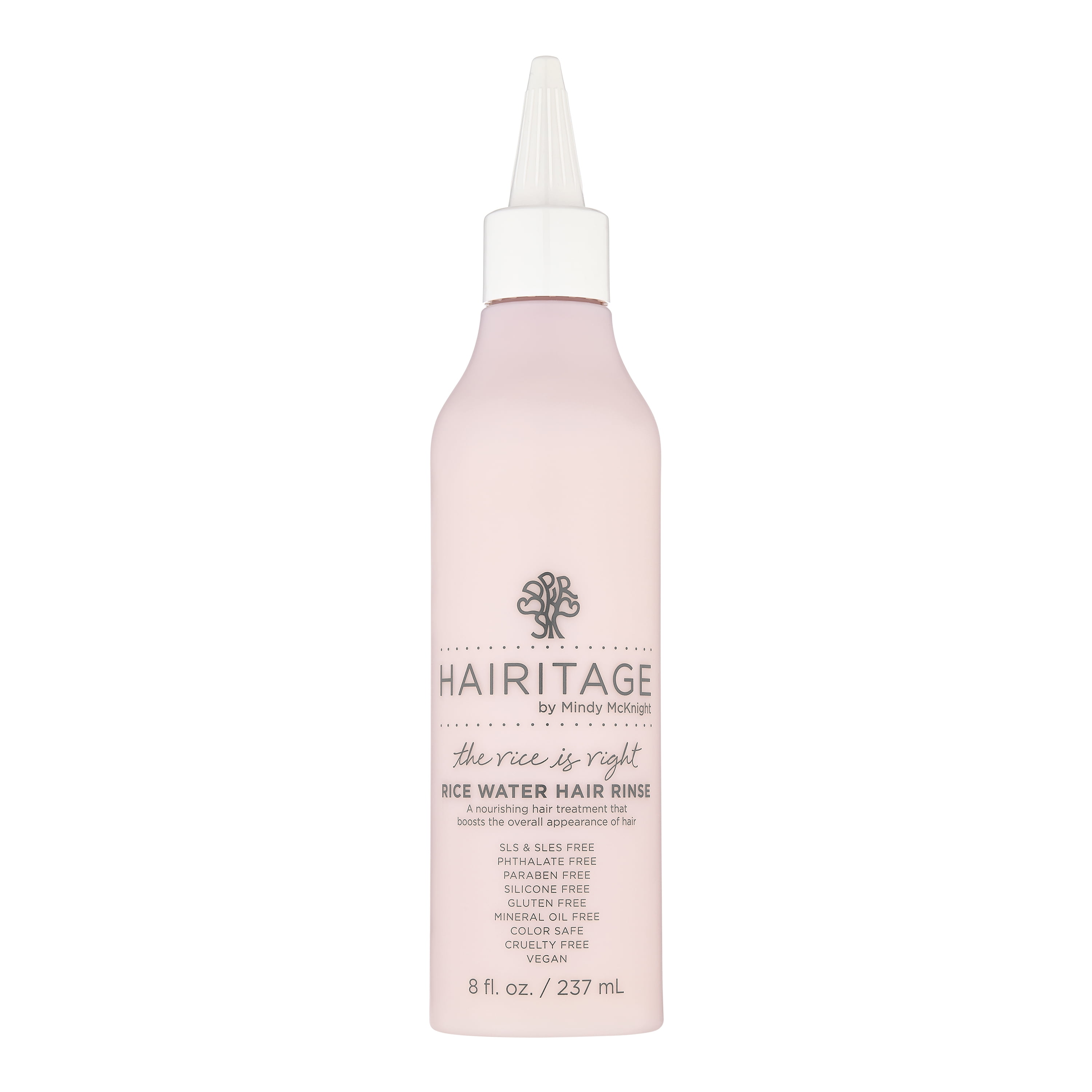
And amino acids can help build the hair back up, as it's made primarily of the protein keratin (keratin is made of several amino acids, including proline, alanine, leucine, arginine, and cysteine). It's also rich in an active called inositol, which studies have shown helps mend and repair hair1. Fascinated by this hair treatment, scientists and beauty lovers alike have tried to find out if rice water can really beautify and strengthen hair.
Rice Water Conditioner Bar for Hair Growth
One of the reasons why rice water is so beneficial for hair is because it’s loaded with proteins. However, there is such a thing as protein overload that can occur when people over-use protein treatments for hair. To avoid this, use rice water every other wash day, or use hair products that balance protein with moisture. “The frequency of using rice water or products containing rice water depends on an individual’s specific needs.
Rice water’s origins as a haircare product began in Japan as a rinse. It is now used by women around the globe in many capacities, including its original form. Rice water is very mild and the chance of an adverse reaction is low, however you should monitor your hair and scalp for dryness.
This is like the soak method, except you’ll leave the rice for a longer period to kick off its natural fermentation process. People with eczema or atopic dermatitis have inflammation and itching because their skin can't maintain an adequate moisture barrier. Although you may not have any problems using rice water if you have eczema, it's best to test a small area first or talk with your dermatologist. If you want to try using rice water, the short soak option is the best because boiling the water may kill some of the vitamins, whereas fermenting it could introduce bacteria. We'll dive into everything you need to know about rice water for hair.
Ecoslay Rice Pudding Leave-in Conditioner and Moisturizer
If you’re thinking that all these supposed rice water benefits sound too good to be true, we’re right there with you. That’s why SELF asked hair care experts to break down what’s behind the hype—so you can determine if using rice water on your hair is a trend worth trying. "Once a week would be the max [amount of times] and be sure to wash it off after 15 minutes," he says. "If you leave it on too long, it can potentially dry your hair out and cause more harm than good. Avoid the treatment altogether if you have very fine or thin hair since rice water could weigh it down."
This article looks at the beauty benefits of rice water hair treatments and whether scientific research backs up the purported results. Rice water is created when rice soaks in water for at least 30 to 60 minutes. "[The water] helps release a lot of the vitamins and minerals and beneficial properties that are in the rice," says Dr. Murphy-Rose. You can shop rice water-based products instead, but if you decide to DIY it, use the water sooner rather than later to avoid bacterial contamination.
There’s no denying that rice is nutrient-dense—it’s rich in minerals, vitamins, and antioxidants, says Dr. Graf. That being said, how much of that good stuff ends up in the water and how, exactly, it can affect your hair remain to be seen. While there are some studies in the works, the science that’s exploring the anecdotal claims is still in the early stages, she adds. "While I don't think patients should expect increased hair growth, there can be simple benefits with the overall appearance," Dr. Bhansuali says. "Think of the water as a hair coat that helps get a better shine and texture." Of course, if you don't want to go the DIY route, the below hair-care products are spiked with the ingredient to offer similar effects. Creating a rice water hair growth spray with biotin, rosemary, and rice bran oil can be a powerful combination to nourish your scalp and promote hair growth.
Talk to your derm if you're unsure whether it's right for you. If you’re dealing with scalp inflammation, however, Dr. Khetarpal cautioned against using rice water to avoid additional irritation. Aside from depleting your pantry supplies, there’s little reason to worry about using rice water on your hair. “There are no harmful chemicals or additives to it, so that really limits your risk of damage,” says Dr. Khetarpal. To ferment rice water, follow steps 1–4 of the soaking method. Before straining, leave the rice water to stand at room temperature for up to 2 days, allowing it to ferment.
Just like there's no shortage of anecdotal testimonials of using rice water for hair, there's also about a zillion different recipes (I counted) online to try. If the stories you've heard are convincing enough for you to give it a shot anyway, you can easily make the rice water yourself at home. Dr. Rabach suggests adding four times as much water as rice, boiling it, then straining it to get your water, or you can follow this popular YouTube video that goes into all the details. The question here isn't “when,” but more like “if”—know what I mean?
Zinc supplementation has been effective in reducing hair loss in people with a zinc deficiency. As far as hair growth goes, there are no shortages of tonics, topicals, and DIY remedies that promise longer, stronger hair. Finding one that works for you may take some trial and error—but there are a few options that have stood the test of time.
Hair care products are not considered medication and, therefore, do not need Food and Drug Administration (FDA) approval. Yet, the FDA has an organization called the Center for Food Safety and Applied Nutrition (CFSAN) to monitor hair care products for their safety. This article will discuss the possible benefits and risks of using rice water.


No comments:
Post a Comment